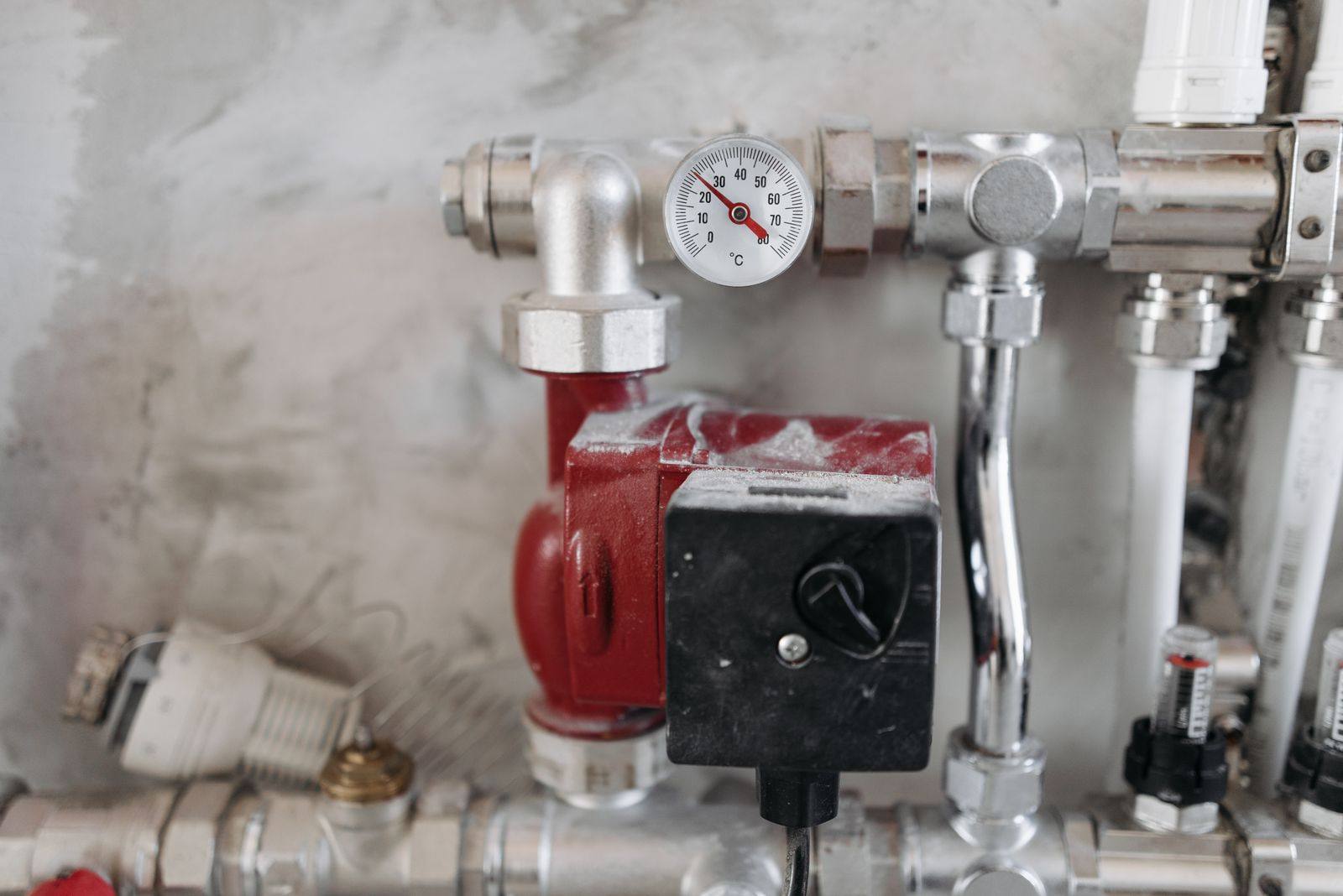
How Backflow Happens and How to Stop It
Backflow is invisible, and that is what makes it dangerous. Drinking water flows in one direction, into the home. When the pressure in the supply falls — a main break, a hydrant being opened — water can flow the other way, carrying fertiliser, chemicals or bacteria from a hose, a sprinkler or a boiler back into the drinking water. This guide explains how backflow happens, the devices that stop it, and what the annual test checks, so a homeowner can understand what the device in their property is for and why it needs testing.
Backsiphonage
Backsiphonage happens when the pressure in the water supply falls below the pressure in a connected system, so water is pulled backwards. A water main break, a fire hydrant being opened, or heavy demand nearby can all drop the supply pressure suddenly. When that happens, water from a garden hose left in a bucket, a sprinkler system, or a boiler can be drawn back into the drinking water. Backsiphonage is a pressure event, not a plumbing failure, which is why a preventer has to be in place before it happens.
Backpressure
Backpressure is the other cause of backflow: a pump, a boiler, or a raised tank pushes water back into the supply because its pressure is higher than the supply pressure. A boiler with a feed pump, a fire sprinkler system with its own pump, or a raised tank can all create backpressure. The preventer at the connection has to hold against the higher pressure, which is why a higher-rated device — an RPZ — is used where backpressure is possible.
Cross-connections
A cross-connection is any place where drinking water meets water that is not safe to drink. A garden hose left in a pool or a bucket, a sprinkler system connected to the drinking water, a hose attached to a chemical sprayer, and a boiler feed are all cross-connections. None of them are a problem while the pressure is normal, but all of them become one the moment the supply pressure falls. The preventer is fitted at each cross-connection to break the link between the two waters.
Devices and the annual test
A backflow preventer is a mechanical device with springs, seals and check valves, and those parts wear out. A vacuum breaker is a simple device for low hazards, a double-check valve has two check valves for medium hazards, and an RPZ has two check valves and a relief valve for high hazards. The annual test checks each valve against its required readings and confirms the device still stops reverse flow. A device that is not tested is a device nobody knows works — which is why the test is required every year.
Frequently Asked Questions
What is the difference between a vacuum breaker, a double-check valve and an RPZ?
A vacuum breaker is a simple one-way device that opens to air when the pressure falls, so it is used for low hazards such as a garden hose. A double-check valve has two check valves and is used for medium hazards. An RPZ has two check valves and a relief valve that drains if either check fails, and it is used for high hazards. The higher the hazard, the more protection is needed.
What causes backflow?
A pressure drop in the water main is the most common trigger — a break in the main, a hydrant being opened, or heavy demand nearby. A pump or a boiler pushing water back into the supply is the other cause. Both are pressure events, and neither is visible from inside the home, which is why the preventer has to be in place before they happen.
Can the water supplier require me to fit a preventer?
Yes, if a cross-connection is found — a sprinkler system, a boiler, a hose that could be left in a bucket or a pool — the water supplier can require a preventer to be fitted at that connection, and can require the annual test. The requirement exists to protect the drinking water for everyone on the same supply, not just one household.