Backflow Preventer Repair in Trenton
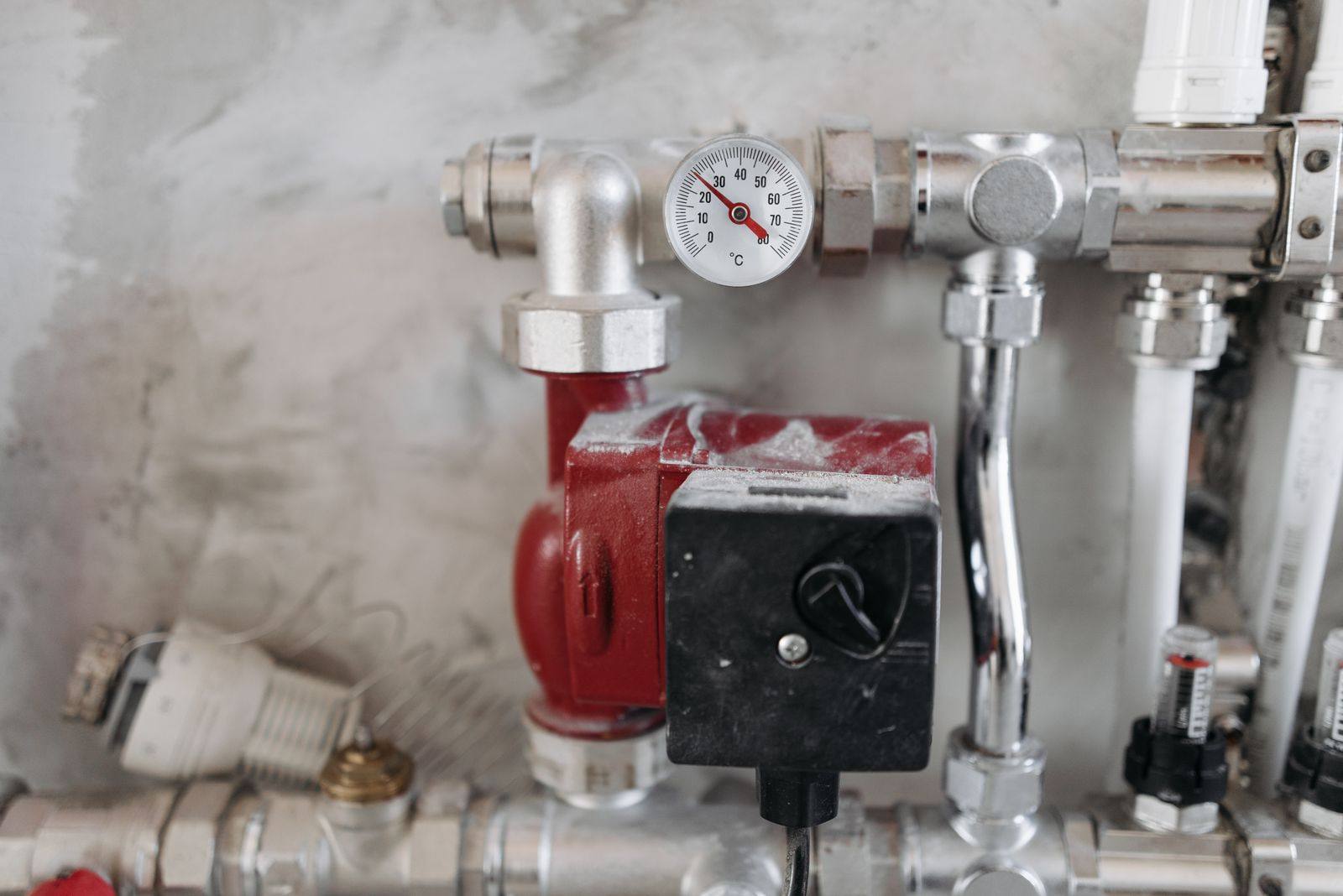
Backflow preventer repair is the repair of a device that has failed its annual test, is leaking, or has worn parts. The provider opens the device, finds the failed part — usually a seal, a check valve, or a spring — and rebuilds it with new parts. A device with a cracked body, or one whose parts are no longer available, is replaced instead. The device is tested after the repair to confirm it passes, and the new result is recorded for the water supplier.
Requests are accepted in all 26 Trenton ZIP codes where coverage is verified: 8601, 8602, 8603, 8604, 8605, 8606, 8607, 8608, 8609, 8610, 8611, 8618, 8619, 8620, 8625, 8628, 8629, 8638, 8645, 8646, 8647, 8650, 8666, 8690, 8691, and 8695. Requests are shared with independent local backflow prevention providers.
Signs you need backflow preventer repair
The device failed its test
A device that has failed its annual test has a worn seal, a stuck valve, or a weak spring, and it is not protecting the drinking water until it is repaired.
Water leaking from the device
Water leaking from the device, or from its relief valve, usually means a seal has failed or a valve is stuck, and the device needs to be opened and repaired.
The device is old and unmaintained
A device that has been in place for many years without maintenance is likely to have worn parts, and a test usually confirms it.
How it is fixed
The provider opens the device, finds the failed part — usually a worn seal, a stuck check valve, or a weak spring — and rebuilds it with new parts or replaces it. The device is tested after the repair to confirm it passes, and the new result is recorded. If the body is cracked or the parts are no longer available, a replacement is fitted instead.
What a visit usually involves
- - Describe the connection — Say which connection is involved — a sprinkler system, a boiler, a hose — and whether the water supplier has sent a notice or a deadline for a test or a fitting.
- - Inspect the connections — The provider looks at where the drinking water meets other systems in the property, checks whether a device is already fitted, and works out which device the hazard needs.
- - Fit or repair the device — A new device is fitted at the connection, in a place that can be reached for its annual test. A device that has failed its test is rebuilt with new parts or replaced.
- - Test and record — The device is tested on the day, and the result is recorded. The provider explains the annual testing schedule, so the device is checked again each year rather than forgotten.
What it costs
The cost of backflow work depends on the device and the job. A standard annual test of a backflow preventer commonly falls in roughly the $75–$200 range, and it is usually a short visit. Installing a new preventer commonly falls in roughly the $300–$1,000 range, depending on the type of device, the size of the pipe, and how easy the fitting is to reach — a large commercial device costs more. A repair is usually priced by the parts needed, and a device that has failed its test may need a rebuild kit or a full replacement. Any figure here is general guidance, not a quote — the provider who responds gives the actual price after seeing the device and its location.
Trenton homes and their plumbing
Trenton housing runs from historic rowhouses downtown, through mid-century neighborhoods, to newer suburbs. Most backflow work here is on commercial and multi-family properties rather than single-family homes, because of the state exemption for one- and two-family houses.
Frequently Asked Questions
Is a failed device repaired or replaced?
It depends on the device and what failed. A rebuild with new seals, springs and check valve parts is common and usually costs less than a full replacement. A device with a cracked body, or one that is old enough that parts are no longer available, is usually replaced. The tester can say which it is once the device has been opened and inspected.
Can a repair wait?
It is not a good idea to put it off. A failed device is not protecting the drinking water, and the water supplier usually sets a deadline for the repair. A device that has failed its test should be repaired or replaced promptly, and tested again after the work.
Should the device be tested after a repair?
A device that has been repaired should be tested again to confirm it works, and the new result recorded. The test after a repair is part of the job — ask for it to be included in the price, so the device is not left untested after the work.